For years, the “crypto wallet” has been a misnomer. In reality, it was more like a digital keychain. If you lost the keys (your 24-word seed phrase), you lost the house and everything in it. There were no “forgot password” buttons, no spending limits, and you had to pay for every interaction in a specific currency you might not even have.
But in 2026, the game has changed. Thanks to Account Abstraction (ERC-4337), we are witnessing the transition from static wallets to Smart Accounts—which are essentially programmable apps.
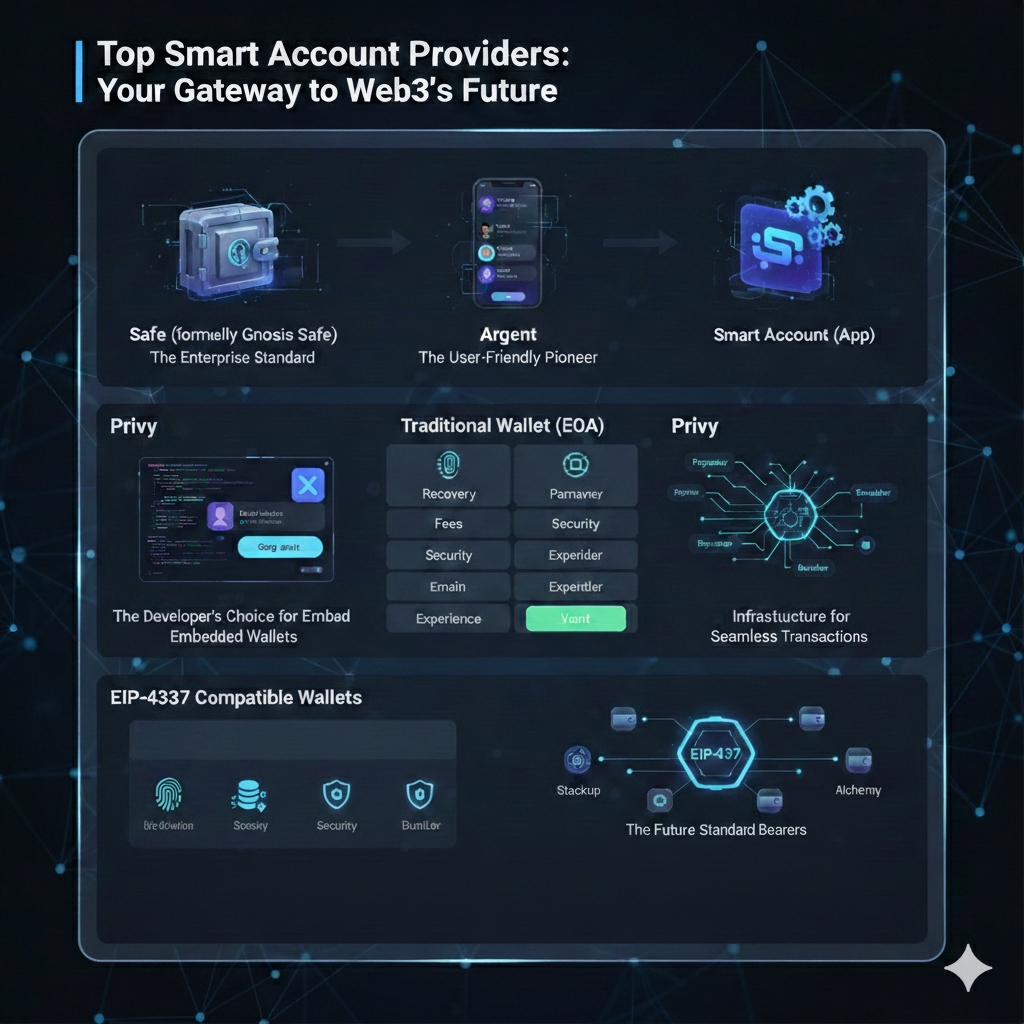
The Evolution: EOA vs. Smart Accounts
To understand the shift, we have to look at what came before.
- The Old Way (EOA): Traditional wallets like MetaMask are Externally Owned Accounts. They are “dumb” addresses controlled by a private key. They can only do two things: send tokens or sign a message.
- The New Way (Smart Account): A Smart Account is a smart contract that acts as your identity. Because it’s made of code, it can have its own “logic.” It doesn’t just hold your money; it manages it according to your rules.
Analogy: If an EOA is a physical key to a door, a Smart Account is a smart lock that recognizes your thumbprint, lets you set “guest codes,” and automatically locks at 10 PM.
4 Features Turning Wallets into “Apps”
1. Social Recovery: No More Seed Phrases
The “fear of the seed phrase” is the biggest barrier to entry in crypto. Smart Accounts replace the paper-and-pen backup with Social Recovery. You can designate “Guardians” (friends, family, or even another hardware wallet) who can collectively authorize a key reset if you lose your phone. It’s the “Forgot Password” feature for the decentralized world.
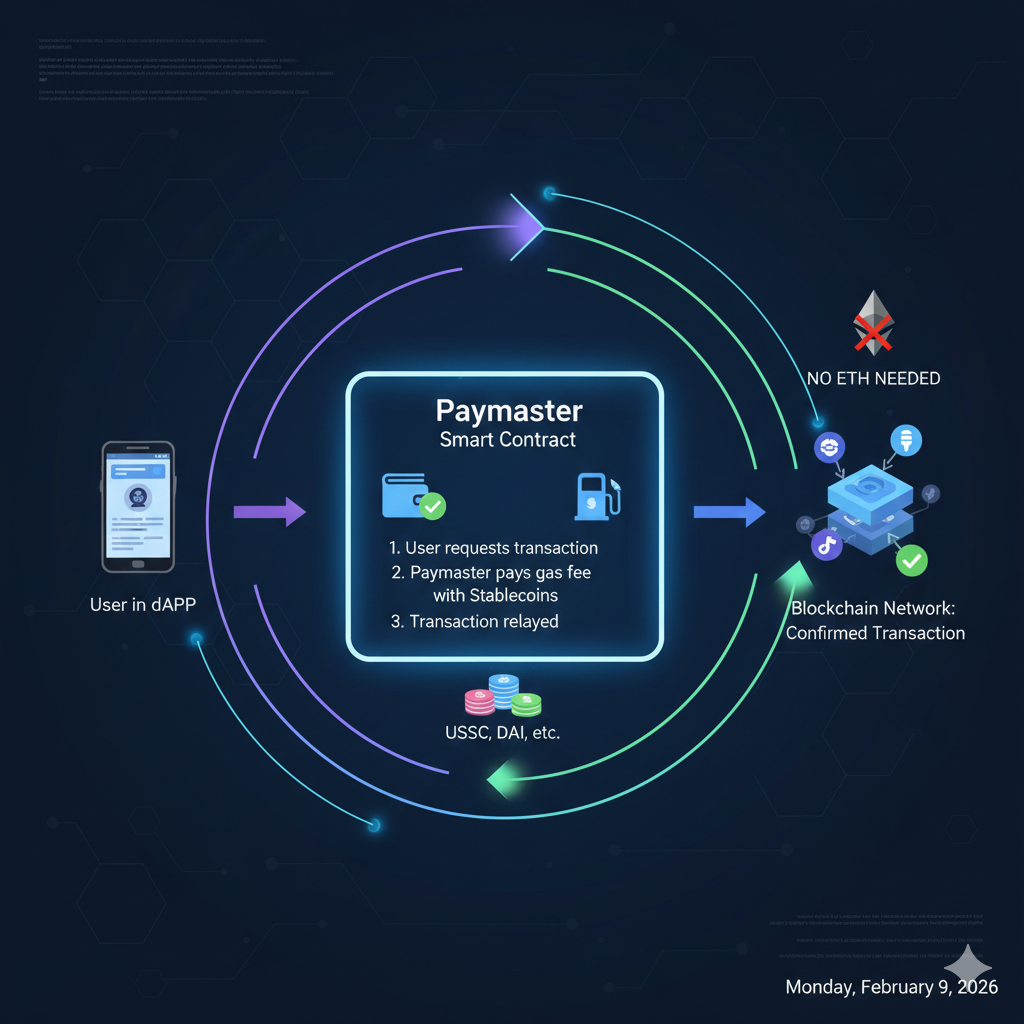
2. Gas Abstraction: Pay in Any Token
In the old era, you couldn’t send USDC if you didn’t have ETH to pay the “gas” fee. Smart Accounts use Paymasters. This allows:
- Sponsorship: A dApp can pay your fees to onboard you.
- Flexible Payment: You can pay for gas using the same Stablecoin (like USDC or DAI) that you are sending.
3. Session Keys: The “Gaming” Mode
Ever played a blockchain game where you have to sign a pop-up every time you pick up an item? It’s a nightmare. Session Keys allow you to grant an app limited permissions for a specific time. You can play a game or trade on a DEX for two hours without a single signature prompt, all while your main funds remain safely locked.
4. Transaction Batching: One Click, Many Actions
In DeFi, swapping a token usually takes two steps: Approve and Swap. A Smart Account bundles these into one UserOperation. You sign once, and the code handles the rest behind the scenes.
The 2026 Leaderboard: Best Smart Account Providers
| Provider | Best For | Standout Feature |
| Safe | Security & Teams | Multi-sig “Guardian” setups; used by almost every DAO. |
| Argent | Everyday Users | Mobile-first with seamless social recovery and built-in DeFi. |
| Privy | Developers | Embedded wallets that let users sign up with just an email or social login. |
| Biconomy | Gasless Apps | Powerful SDK that lets apps “hide” gas fees from their users. |
| Coinbase Wallet | Onboarding | Uses passkeys (biometrics) to replace keys entirely for a Web2 feel. |
Summary: The “iPhone Moment” for Web3
The transition to Smart Accounts represents the “Smartphone era” of blockchain. We are moving away from the technical “plumbing” and toward a world where you don’t need to know what a “private key” is to participate in the global economy.
Your account is no longer a tool; it’s an assistant.
Leave a Reply