For years, self-hosting GitHub Actions runners felt like a clever DevOps move.
If you already had a VM, why not reuse it and avoid per-minute CI costs?
That logic ends on March 1, 2026.

From that date onward, GitHub will charge $0.002 per minute for self-hosted runners used with private repositories — the same price as GitHub’s own ubuntu-slim hosted runners.
Once the price is identical, the decision stops being about saving money and starts being about risk, effort, and operational discipline.
And in that comparison, self-hosting for basic CI workloads loses.
The New Math (No Opinions, Just Facts)
| Dimension | GitHub-Hosted Runners | Self-Hosted Runners |
|---|---|---|
| Cost | $0.002 / minute | $0.002 / minute |
| Setup | None | OS, Docker, runner lifecycle |
| Maintenance | Zero | Updates, cleanup, disk pressure |
| Security | Ephemeral VM per job | Long-lived environment |
| Isolation | Strong | Weak unless engineered |
| Performance | Predictable | Noisy neighbors |
| Failure Impact | One job | Entire VM |
Before this pricing change, teams tolerated self-hosting because it was cheaper.
After March 2026:
- It is not cheaper
- It is not safer
- It is not simpler
That combination matters.
What Actually Breaks in the Real World
Example 1: “The Free VM” That Wasn’t Free
A startup runs CI on a shared EC2 instance:
- App containers
- A staging database
- A self-hosted GitHub runner
Everything works… until:
- CI jobs spike
- Disk fills with build artifacts
- App latency jumps
- Someone restarts Docker and takes staging down
Root cause: CI workloads were competing with production-adjacent services.
GitHub-hosted runners avoid this entire class of failure by design.
Example 2: Secrets That Never Really Go Away
On self-hosted runners:
- Secrets get written to disk
- Build caches persist
- Environment variables live longer than intended
Even disciplined teams miss cleanup steps.
GitHub-hosted runners:
- Start clean
- Run once
- Are destroyed
Security by deletion is brutally effective — and very hard to replicate cheaply.
Example 3: “Why Is CI Slow Today?”
Self-hosted runner performance depends on:
- What else is running
- Who deployed last
- Whether Docker is healthy
- Whether logs filled
/var/lib/docker
Hosted runners give you consistent baseline performance.
That predictability matters more than raw speed.
The Real Cost: Cognitive Load
Self-hosting adds silent overhead:
- Is the runner alive?
- Is disk full?
- Did Docker break?
- Is this CI or application slowness?
- Who touched this VM last?
GitHub-hosted runners eliminate all of these questions.
CI should be boring.
If you’re thinking about it daily, something is wrong.
When Self-Hosting Still Makes Sense (Very Clearly Defined)
Self-hosting is no longer the default — it’s the exception.
1. Private Network Access
Use self-hosted runners only if CI must access:
- Private databases
- Internal GCP / AWS services
- Systems behind VPNs or firewalls
This is a capability requirement, not a cost optimization.
2. Heavy or Specialized Workloads
GitHub runners are not ideal for:
- GPU jobs
- Massive memory builds
- Long-running simulations
- Specialized hardware
If your pipeline needs custom compute, self-hosting is justified.
3. Extreme Scale (Done Properly)
At 50k+ minutes/month, some teams justify:
- Autoscaling runner pools
- Spot instances
- Ephemeral self-hosted runners
This is platform engineering, not “reuse a VM”.
If you’re not willing to engineer it properly, don’t do it.
The InfraDiaries Recommendation: A Simple 3-Step Strategy
Step 1: Standardize on GitHub-Hosted Runners
Move all baseline CI to GitHub-hosted runners:
- Tests
- Linting
- Formatting
- Builds
Use your 3,000 free minutes first.
Immediate benefits:
- Fewer moving parts
- Cleaner pipelines
- Less operational noise
Step 2: Be Ruthless About Exceptions
Self-host only when:
- There is a hard technical requirement
- Hosted runners cannot meet it
And when you do:
- Use dedicated runners
- Avoid shared production VMs
- Treat runners as disposable infrastructure
Step 3: Optimize Only After You Measure
If usage grows:
- Measure minutes
- Optimize workflows
- Cache aggressively
Only then consider custom runner infrastructure.
Premature optimization is how CI becomes fragile.
Visual: CI Architecture — Before vs After
Before 2026 (Why Self-Hosting Won)
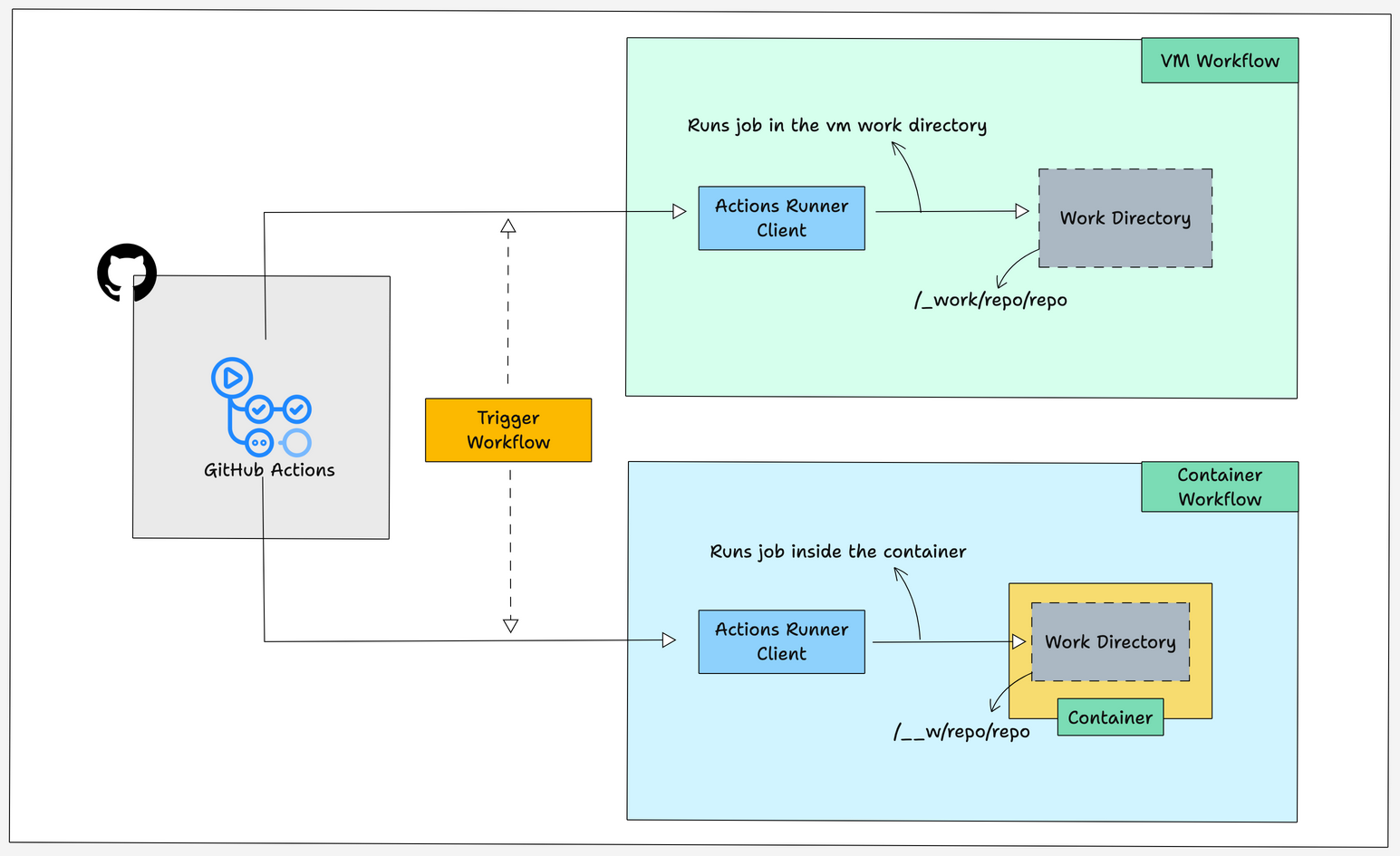
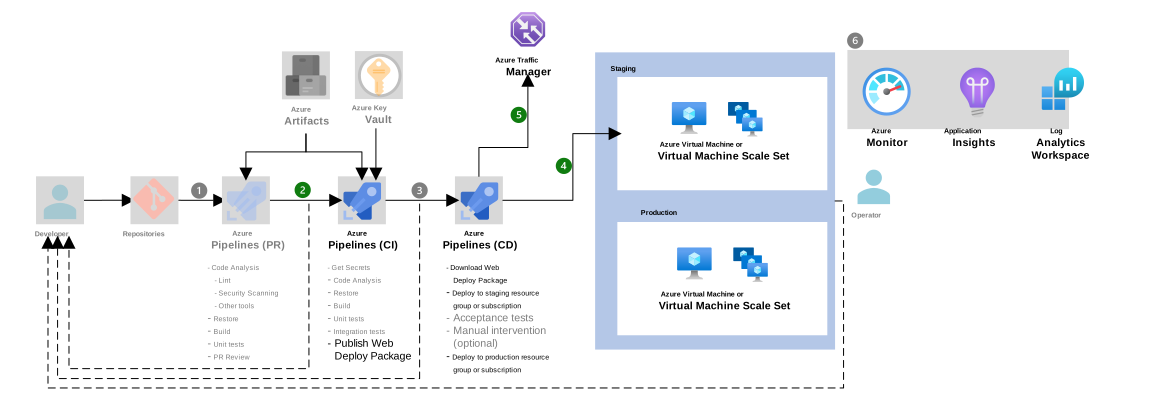
- Shared VM
- “Free” compute
- Hidden risk
- Hidden effort
After March 2026 (Why Hosted Runners Win)
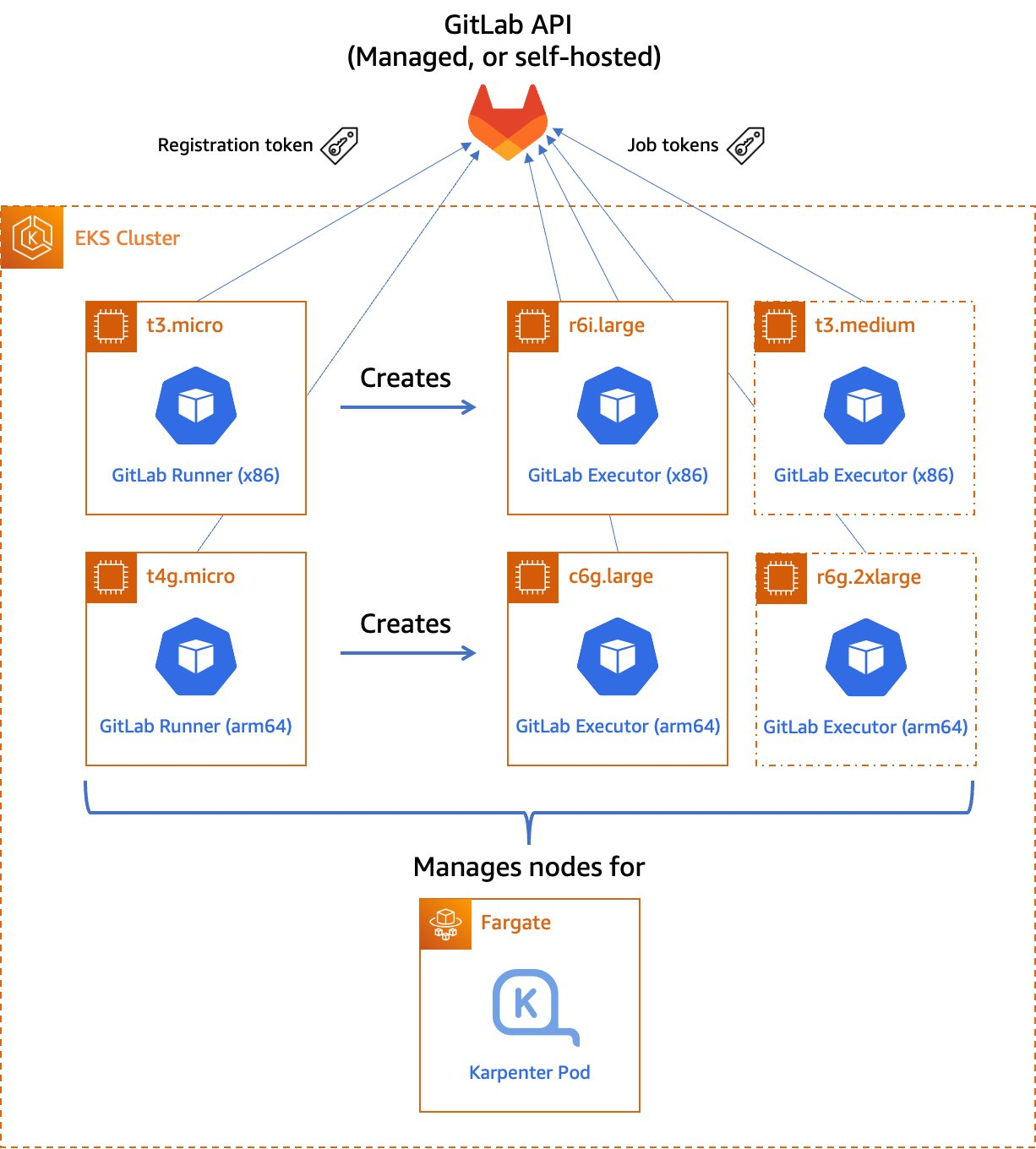
- Identical cost
- Ephemeral runners
- Strong isolation
- Zero maintenance
Same price. Fewer problems.
The Bigger Shift: CI Is a Product Now
This pricing change makes one thing explicit:
CI/CD is infrastructure, not a hack.
GitHub is saying:
- “We’ll charge you either way”
- “But we’ll remove the pain”
At equal cost, convenience beats cleverness.
Final Takeaway
Self-hosting GitHub Actions runners is no longer a smart default.
It is:
- More work
- More risk
- No cheaper
That doesn’t make it wrong — it makes it specialized.
InfraDiaries Rule of Thumb:
Use GitHub-hosted runners by default.
Self-host only when there is a clear, unavoidable technical reason.
Everything else is just inherited complexity.
Leave a Reply